
In short
Early intervention is extra support for young children, from 18 months to 4 years, who are developing differently or need help learning certain skills. Most of the learning happens through play and everyday routines, built around what your child enjoys. Your child doesn’t need a diagnosis to start, and you don’t need to have all the answers. A good time to reach out is when you notice differences in your child’s development or have questions about their progress.
- 18 months to 4 years
- No diagnosis needed
- Play-based
- Parents are part of the team
You may be wondering if your child needs some extra support, when you should start looking into services, or if you need to wait for a diagnosis.
You don’t need to have all the answers right away. Early intervention is about getting to know your child’s strengths and needs and figuring out what support would be helpful for them right now.
What is early intervention?
Early intervention gives young children, from 18 months to 4 years, extra support to help them learn, grow, and build new skills at their own pace.
Every child is different, so support is based on what they need. This might include building communication and play skills, connecting with others, sharing attention during activities, participating in everyday routines, and learning ways to manage big feelings.
Early intervention can use approaches such as Naturalistic Developmental Behavioral Interventions (NDBIs), which teach through play and back-and-forth interaction; Natural Environment Teaching (NET), which teaches skills during everyday activities; and Functional Communication Training (FCT), which teaches your child a way to ask for what they need.
Those names can sound complicated, but what they look like with your child can be quite simple.
A lot of learning can happen through play and things your child is already doing every day. Your child’s program should be built around them — what they’re good at, what they enjoy, where they need some extra help, and what is important to your family.
When should we start early intervention?
There isn’t one specific age when every child should start early intervention.
Children develop at different rates, and you may notice differences at different times. A good time to start asking questions is when you notice something about your child’s development and begin wondering whether they could use some extra support.
For some families, that happens during the toddler years. For others, differences become more noticeable as their child gets older.
If you’re wondering whether you should reach out, it’s okay to start by simply asking questions. Looking into a service doesn’t mean you have to start it.
Instead of worrying about whether you’re starting at the “right” time, ask yourself:
“What support does my child need right now?”
Why can starting earlier help?
Starting earlier gives your child more opportunities to learn and practice skills during everyday routines and play.
Learning doesn’t have to happen only during a therapy session. There are lots of little opportunities throughout the day to work on communication, play, independence, social skills, and other goals that are important to your child.
For example, your child can practice asking for something while playing with a favourite toy, taking turns during a game, or waiting while you get their snack ready.
These might seem like small moments, but they give your child opportunities to learn a skill and practice it during their everyday life.
Starting earlier does not guarantee a certain outcome. Every child has their own way of learning and growing.
Every child starts in a different place. We meet them where they are and build from there.
What matters is looking at your child and what they need now.
Do we have to wait for an autism diagnosis?
No, not necessarily.
If you’re concerned about your child’s development, you don’t always need to wait for a formal autism diagnosis before looking for support. Some programs don’t require a diagnosis and can provide support based on what your child is currently doing and where they may need some extra help. At AlphaBee, your child doesn’t need a diagnosis to start early intervention.
While you’re waiting, you can also spend some time thinking about your child’s strengths and needs.
What do they love doing? How do they let you know what they want? What comes easily to them? Which parts of the day would you like to go more smoothly? When do they seem to need more help?
You don’t need to have all these answers before you reach out. They’re simply helpful things to think about and share with your clinical team.
What does an early intervention session actually look like?
An early intervention session may not look like what you picture when you hear the word “therapy.”
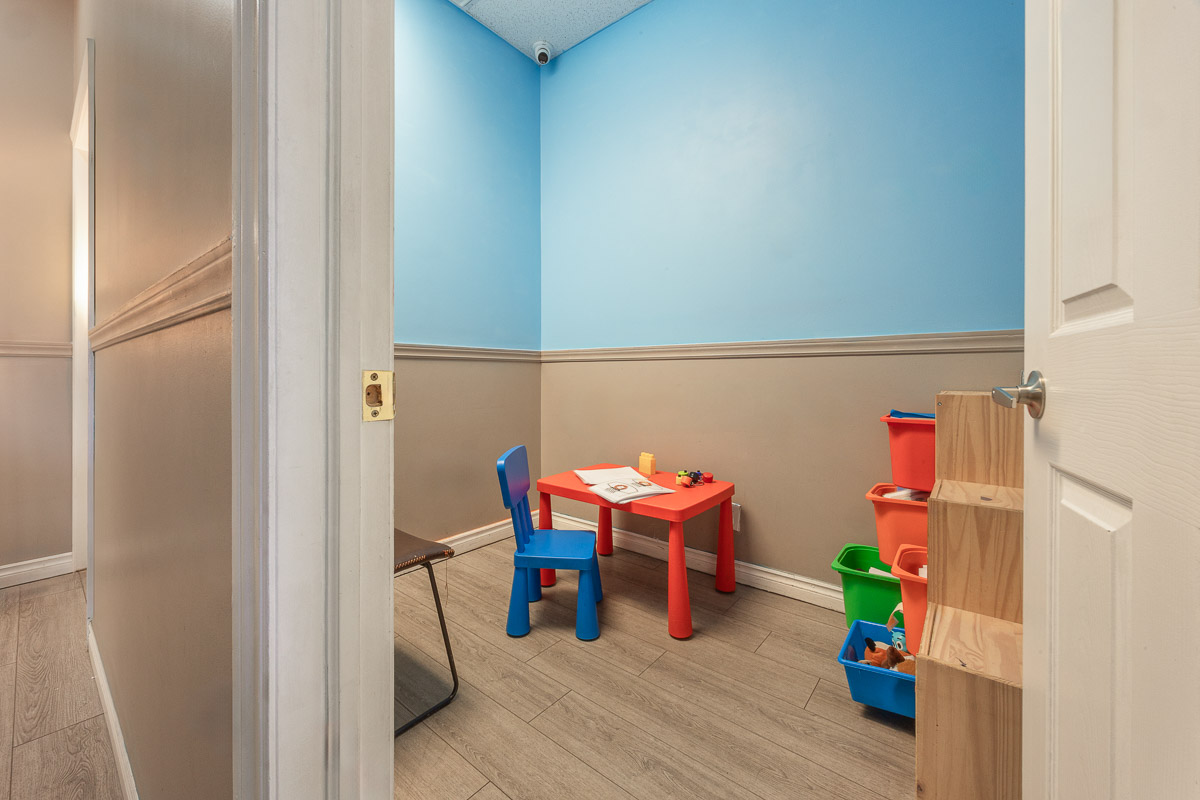
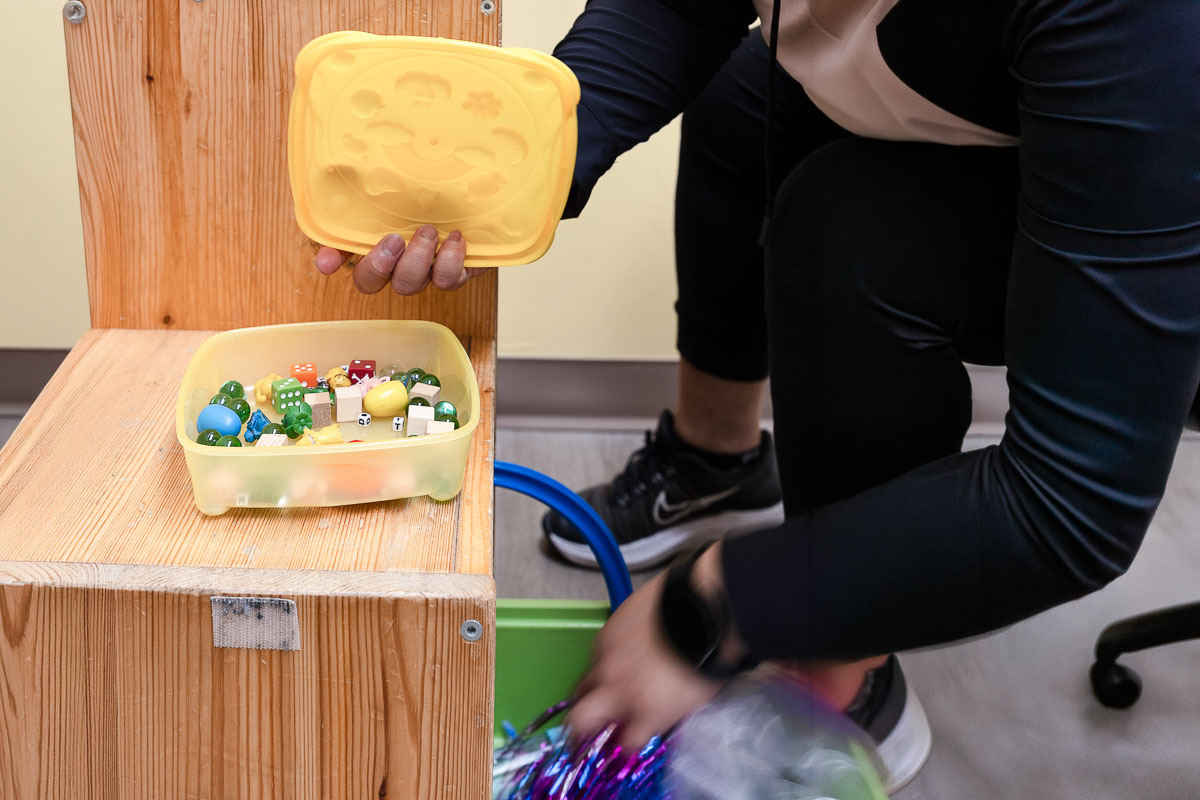
You might see toys around the room and your child playing on the floor with their therapist. It might look like they’re just playing, but there can be a lot of learning happening at the same time.
Example: take something as simple as playing with a piggy bank and coins.
While playing, your child could practice asking for a coin, learning colours, waiting, taking turns, and playing together.
Your child’s Instructor Therapist can use toys and activities your child already enjoys to create opportunities to work on their goals. There may also be some more structured activities when those are helpful for your child.
The goal is to find the ways of learning that work for your child.
What is my role as a parent?
You are an important part of your child’s team because you know your child better than we do.
You know what they love, what they don’t like, what comes easily to them, what they’re still working on, and which parts of the day could use a little more support.
That information is really important.
It helps your clinical team understand what goals are going to be useful for your child and your family.
You may also learn strategies that you can use at home, but this doesn’t mean you need to turn every interaction with your child into therapy.
It might simply mean finding little opportunities to practice skills while you’re already playing, eating, getting dressed, or spending time together.
What does play-based and naturalistic actually mean?
Play-based and naturalistic teaching means using things your child already enjoys and moments that naturally happen throughout their day to help them learn.
There are still goals we’re working toward, but we find ways to work on them during activities that are interesting and motivating for your child.
Example: imagine you blow up a balloon and let it fly around the room. Your child laughs and wants you to do it again.
That’s a natural opportunity to work on communication.
You might pause before blowing it up again and give your child a chance to communicate “more.”
For one child, that might mean saying the word. For another, it could mean pointing, making a gesture, using a sign, choosing a picture, or using a communication device.
Play-based doesn’t mean we’re “just playing.” We’re using play to create opportunities for your child to learn.
We’re starting later — is it too late?
No. Starting later doesn’t mean your child has missed their chance to learn.
Early intervention gives us opportunities to provide support during the early years, but children continue learning and developing as they get older. If you’re starting later, we focus on where your child is now and what support would be helpful today.
It can be really easy to look back and think, “I wish we had started sooner.”
But that’s not where our focus needs to be.
“We focus on the child in front of us today.”
Kat Doucette, Clinical Supervisor
What can your child do now? What do they love doing? What are they good at? Where do they need a little more help? What skills could make everyday life easier for them and your family?
There isn’t one timeline that every child has to follow.
Instead of focusing on when you could have started, focus on the next step you can take now.
When should I ask for help?
It’s worth reaching out if:
- You’ve noticed differences in how your child communicates, plays or connects with others.
- Someone who knows your child well, like your doctor or daycare, has mentioned something.
- You’re waiting for an assessment and want support in the meantime.
- You have questions and you’re not sure where to start.
At AlphaBee, a Clinical Supervisor talks through what you’ve noticed and plans your child’s goals with you. An Instructor Therapist works with your child in sessions.
How do we get started with early intervention?
You don’t need to have everything figured out before you reach out.
You don’t need to know exactly what type of service your child needs or come prepared with a list of goals. Start by sharing what you’ve noticed, what your child is doing well, and where you feel they could use some extra support.
Talk about the things your child loves and the parts of the day you’d like to go more smoothly.
Ask questions about the services available, what sessions look like, how goals are chosen, and what your role will be.
From there, you and your clinical team can figure out the next steps together.
Early intervention is about meeting your child where they are, building on the strengths they already have, and helping them learn skills that are meaningful in their everyday life.