Ontario Autism Program (OAP) Funding
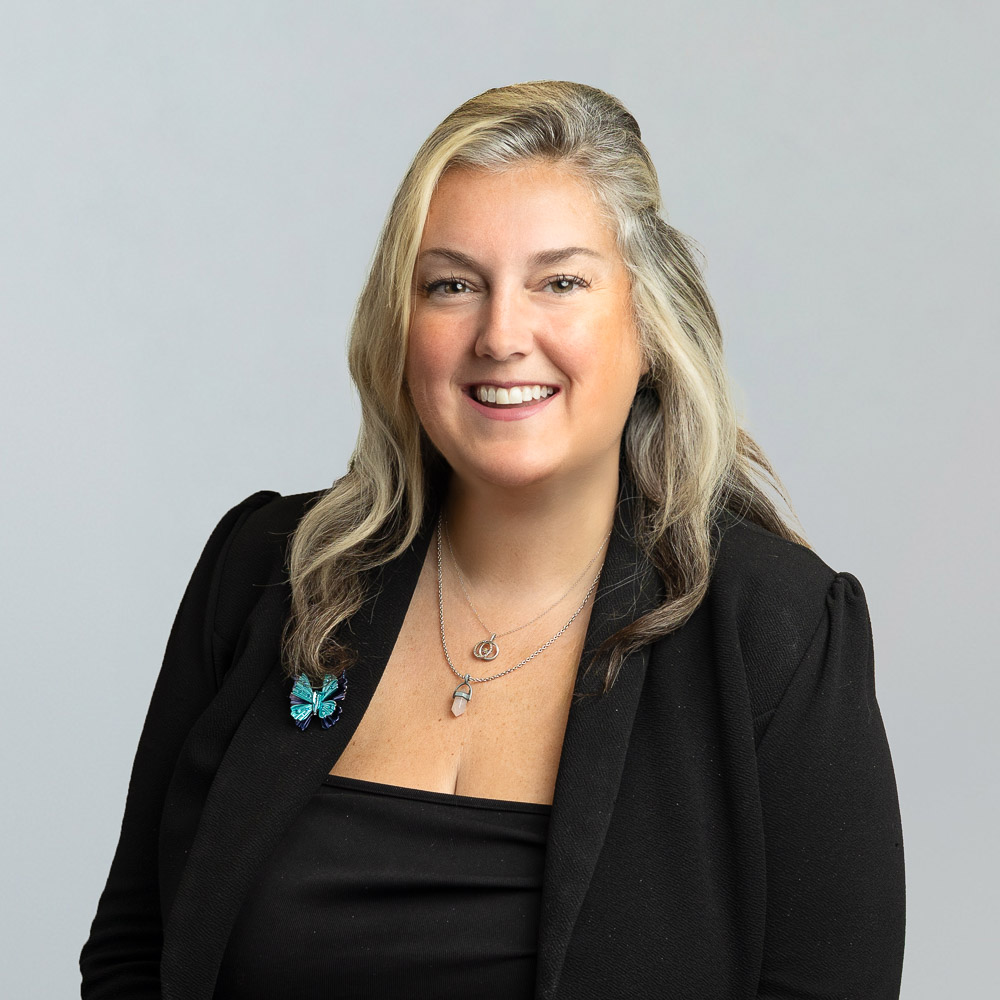
- Written by Nicola MacDonald, M.ADS, BCBA, RBA (Ont.), Clinical Supervisor
- Last reviewed 21 October 2026
In short
- The Ontario Autism Program (OAP) funds services for children and youth with autism under 18.
- You register through AccessOAP once your child has a written diagnosis.
- Core clinical funding ranges from $6,600 to $65,000 a year. The amount depends on your child's age and support needs, and is set after a Determination of Needs meeting.
- There is a wait for core clinical funding, so register as early as you can.
- Your child can start services with AlphaBee while you wait.
- $6,600 to $65,000 a year
- Under 18
- Register early
- Start services while you wait
What is the Ontario Autism Program?
The Ontario Autism Program (OAP) is Ontario's program of services and funding for children and youth with autism, and their families.
The program is designed around the individual needs of each child or youth. The OAP currently includes:
- Foundational family services — free supports for families registered in the OAP, including caregiver workshops and coaching, family and peer mentoring, brief consultations about specific needs, and help preparing for transitions such as starting school. Available options vary by provider.
- Caregiver-mediated early years programs — free programs for eligible children aged 12 to 48 months that teach parents and caregivers strategies to support communication, play, social interaction and everyday skills. Families must receive an invitation from AccessOAP before registering with a participating provider. AlphaBee offers JASPER, one of these programs, through our partnership with SAAAC.
- Core clinical services and supports — which can include applied behaviour analysis (ABA), speech-language pathology, occupational therapy, mental health services such as counselling or psychotherapy, and certain technology, program materials or therapy equipment.
- Entry to school program — helps eligible children develop school-readiness skills and provides transition support when they enter kindergarten or Grade 1.
- Urgent response services — for eligible children and youth experiencing a specific urgent need. These services can provide up to 12 weeks of free supports.
- Care coordination through AccessOAP — AccessOAP is the OAP's independent intake organization. Care coordinators help families understand their service options and access needs-based services and supports.
How do I register for the Ontario Autism Program?
To register, your child must be under 18, currently live in Ontario and have a written diagnosis of autism from a qualified professional.
Registering gets your child into the OAP; funding comes later. This is an important distinction, because your child's place in line for funding is set by the date you register.
What the diagnosis letter must include:
- your child's name and date of birth
- the assessment date
- a statement that your child meets the diagnostic criteria for autism spectrum disorder
- the qualified professional's name and credentials

- Register through AccessOAP AccessOAP is the OAP's independent intake organization. You create an account, register your child and upload the documents they ask for.
- Wait for your invitation AccessOAP invites children to core clinical services in the order they registered.
- Complete the Determination of Needs meeting An AccessOAP care coordinator looks at your child's strengths, support needs and priority goals across areas such as communication, social interaction, daily living, motor skills, cognitive skills, sensory needs, mental health, and adaptability and resilience.
- Receive your funding allocation The results set a funding allocation that you can use to purchase eligible core clinical services and supports.
How much OAP funding will my child get?
It depends on your child's age and their level of support needs, and is determined after your Determination of Needs meeting with AccessOAP. Allocations range from $6,600 to $65,000 a year.
| Child's age | Limited | Moderate | Moderate+ | Extensive |
|---|---|---|---|---|
| Up to age 3 | $10,900* | $10,900* | — | $65,000 |
| 4 to 9 | $8,900 | $24,500 | $36,800 | $65,000 |
| 10 to 14 | $7,600 | $18,800 | — | $41,400 |
| 15 to 17 | $6,600 | $18,300 | — | $31,900 |
These are annual funding allocations for OAP core clinical services and supports. *For children up to age 3, limited and moderate needs share one funding level of $10,900. Amounts are from the OAP guidelines updated September 10, 2026. Your child's age on January 1 decides which row applies.
What can I spend OAP funding on?
You can use it for eligible core clinical services: ABA, speech-language therapy, occupational therapy, mental-health services, and certain technology, program materials and therapy equipment.
How long is the OAP waitlist?
The OAP does not publish a fixed wait time for core clinical funding.
AccessOAP invites children in the order they registered, so the earlier you register, the sooner your child is invited. As of October 2026, families being invited to core clinical services registered around January 2022.
“Your child's place in line for funding is set by the date you register.”
Nicola MacDonald, Clinical Supervisor
Your child can start services before funding arrives, paid through extended health insurance or privately.
How much does ABA therapy cost in Ontario?
ABA therapy costs vary by provider, service type and level of clinical support. When comparing fees, ask whether assessment, clinical supervision, program planning and materials are included or charged separately.
At AlphaBee, fees depend on the program and support your child receives. Our Intake Coordinator can explain the available services and associated costs so you can plan how to use your child's funding.
Services may be HST exempt with the required documentation.
Can I use OAP funding at AlphaBee?
Yes. You can use your child's OAP core clinical funding for AlphaBee services, including ABA therapy and speech-language therapy.
Every program is overseen by a Clinical Supervisor on the OAP Provider List. The OAP does not let providers bill it directly, so families manage their own funding and submit their own invoices. Our team will walk you through it the first time. You can also combine OAP funding with extended health insurance or private payment.
What happens if my OAP funding runs out?
If your funding is nearing its end, our Services Team will work with you to explore options for continuing support.
If services need to pause, returning families are given priority when they are ready to resume. We will aim to reconnect your child with their previous team, although a different Clinical Supervisor or Instructor Therapist may be assigned based on availability.
What other funding is available in Ontario?
Three other programs can help: Special Services at Home, the Disability Tax Credit and Assistance for Children with Severe Disabilities.
Special Services at Home (SSAH)
SSAH provides funding to families of children with physical and/or developmental disabilities. The money can be used for things such as:
- respite for parents and caregivers
- help with day-to-day activities
- activities that support the child's growth and development
- support to take part in activities at home and in the community
SSAH is intended to complement other services and supports, including clinical services.
Important: SSAH specifically excludes paying for services such as ABA, speech therapy, occupational therapy and mental-health therapy when those services are already covered through another government program.
Disability Tax Credit (DTC)
The DTC is a federal tax credit, not a monthly payment. If the CRA approves your child for the DTC, it can reduce your family's income tax and can also open the door to other benefits. For a child under 18, the DTC can also lead to the Child Disability Benefit (CDB).
Assistance for Children with Severe Disabilities (ACSD)
ACSD provides monthly financial assistance to eligible low- and moderate-income families who have a child with a severe disability. Ontario says eligible families can receive $25 to $678 a month, depending on factors including:
- household income
- family size
- severity of the child's disability
- extraordinary disability-related costs
The money can help with things such as travel to medical appointments, special clothing and shoes, and respite or parental relief. The current household-income limit listed by Ontario is $77,640 a year or less, although other eligibility factors also apply.
When should I talk to someone about funding?
Talk to us if:
- your invitation for core clinical funding has arrived and you are not sure how to use it
- your funding will end in the next few months
- you are paying privately now and want to plan for OAP funding later
At AlphaBee, your Clinical Supervisor plans your child's program around the funding you have, and your Instructor Therapist works with your child in sessions.
Sources
- Government of Ontario: Ontario Autism Program guidelines for core clinical services and supports (updated September 10, 2026)
- Government of Ontario: Assistance for Children with Severe Disabilities Program (updated June 30, 2026)
- Government of Ontario: Ontario Autism Program foundational family services
- Government of Ontario: Ontario Autism Program caregiver-mediated early years programs
Next step: book a free consultation
Talk with our Family Services & Intake Coordinator about your child's needs, your funding and which AlphaBee service fits. If you decide to go ahead, your child has a free clinical intake with a Clinical Supervisor. Our guide What Happens After You Contact Us explains each step.
Book a consultation Or call 416-622-9979. See all resources