In short
ABA therapy can happen at home, in a centre, at school or online. Each setting suits different goals, and no single setting is best for every child. The right choice depends on what your child is learning and where they need to use those skills. Many children combine settings, and the setting can change as your child grows.
- Home, centre, school or online
- No single setting is best for every child
- Settings can be combined
- The setting can change over time
When considering Applied Behaviour Analysis (ABA) therapy for your child, one important decision is where therapy should take place. For families with children and teens from 18 months to 18 years in Etobicoke, Scarborough, Hamilton and surrounding communities, understanding the differences between home, centre, school and online therapy can help determine which environment best supports their child’s learning.
An important principle of ABA is that learning should be meaningful and applicable beyond the teaching environment. The goal is not simply to teach a skill during therapy, but to help children use those skills in everyday life.
What are the options?
ABA therapy can take place at home, in a therapy centre, at school or online.
Each setting provides different opportunities for learning, and the most appropriate choice depends on the child’s goals, preferences and support needs. No single environment is best suited for every child or every skill.
The four main options include:
- Home-based therapy: learning within familiar routines and family activities.
- Centre-based therapy: structured learning with varied materials and opportunities for social interaction.
- School-based therapy: supporting classroom participation, independence and peer interactions.
- Online therapy: virtual instruction, consultation and caregiver coaching.
When choosing a setting, consider both where your child learns comfortably and where they will need to use their new skills.
What does home-based therapy look like?
Home-based ABA therapy involves an Instructor Therapist working with your child in their natural home environment.
Sessions may focus on communication, play, independence, emotional regulation or daily living skills. One of the main benefits is the opportunity to teach skills within the routines and activities in which they naturally occur.
For example, a child learning to dress independently can practice in their own bedroom using familiar clothing and routines.
Benefits of home-based therapy include:
- Practicing daily living skills such as dressing, hygiene and mealtime routines.
- Using familiar toys and activities during teaching.
- Allowing caregivers to observe and participate.
- Reducing travel requirements.
- Supporting independence in everyday situations.
Home environments can also present distractions, limited space and fewer opportunities for peer interaction.
If you are considering in-home ABA therapy, think about how learning will fit into daily activities and be supported outside scheduled sessions.
What does centre-based therapy look like?
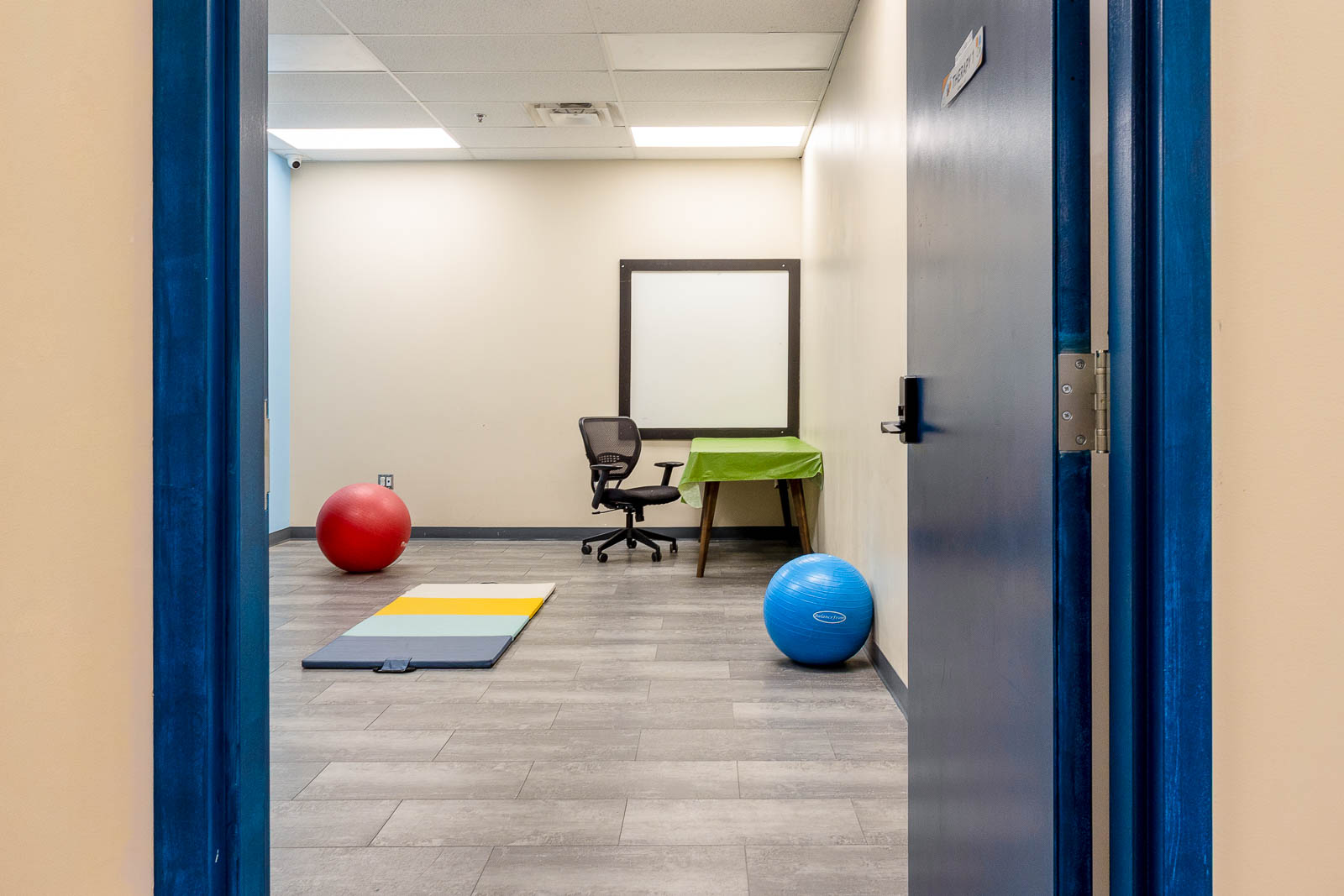
Centre-based ABA therapy takes place in an environment designed for learning and skill development.
Centres typically provide structured teaching spaces, varied materials and opportunities to interact with different therapists and other children. This setting can be particularly beneficial for skills requiring structured instruction, group participation or peer interaction.
Centre-based therapy may help children:
- Participate in individual and group learning activities.
- Practice communication and social skills with peers.
- Develop independence during transitions.
- Learn with different therapists and materials.
- Practice skills in a predictable environment.
One consideration is whether skills learned at the centre will also be demonstrated at home, school or in the community.
In ABA, generalization refers to using learned skills across different environments, people and situations. Centre-based programming should therefore include strategies that support learning beyond the therapy setting.
Can therapy happen at my child’s school?
ABA therapy may be provided at school when permitted by the school or school board.
School-based services focus on developing skills that support classroom participation, communication, independence and social interaction. Availability depends on school policies, permissions and whether outside service providers are permitted to work directly with students.
School-related goals may include:
- Asking for help during classroom activities.
- Transitioning between lessons and routines.
- Participating in group instruction.
- Initiating interactions with classmates.
- Completing classroom responsibilities independently.
In Ontario, private ABA providers need permission from the school or school board before delivering services in a school.
When direct therapy is not possible, collaboration between caregivers, educators and the clinical team can still be valuable. With appropriate consent, therapists may share strategies that support consistency between therapy and school.
Does online therapy work?
Online ABA therapy can be appropriate for certain learners and goals, particularly caregiver coaching, consultation and skills that can be taught through virtual interaction.
Its effectiveness depends on the child’s abilities, the instruction required and the support available during sessions. Online services may involve caregivers, learners or both.
Online therapy may include:
- Caregiver coaching and feedback.
- Support with daily routines and independence.
- Consultation about behaviour and learning goals.
- Direct instruction in conversation, organization or problem-solving.
For younger children, online sessions may focus on coaching caregivers to implement strategies rather than requiring the child to participate directly.
Although online therapy reduces travel and offers flexibility, it may require active caregiver participation and is not appropriate for every learner. At AlphaBee, online ABA sessions are available for children aged six and older when they are a good clinical fit.
Which setting suits which child?
The most appropriate therapy setting depends on the child’s learning goals, strengths, preferences and the environments where new skills will be used.
Home-based therapy may be useful for daily living skills, while centre-based therapy may provide more opportunities for structured learning and peer interaction. Each option has benefits and limitations.
| Setting | May be helpful for | Considerations |
|---|---|---|
| Home | Daily living skills, family routines, caregiver involvement | Distractions, space, fewer peer opportunities |
| Centre | Structured learning, social participation, varied activities | Travel, generalizing skills |
| School | Classroom participation, peer interaction, independence | School permissions and access |
| Online | Caregiver coaching, consultation, selected learning goals | Technology, caregiver participation |
Some children benefit from the familiarity of home, while others may be more engaged in a centre.
The decision should be based on the individual child rather than assuming one setting consistently produces better learning outcomes.
Can we mix settings?
ABA therapy can take place across multiple environments when services are available and the combination supports the child’s goals.
Practicing skills in different settings helps children apply what they have learned beyond the original teaching situation, supporting greater independence and participation in everyday activities.
For example, a child may attend centre-based sessions for communication and social skills while receiving home-based support for daily living routines.
When combining settings, consider:
- Consistency in teaching strategies.
- Coordination between therapists and caregivers.
- Opportunities to practice skills across environments.
- The child’s schedule, including school, recreation and rest.
The goal is not to make every environment identical, but to ensure teaching approaches complement one another.
Does the setting change the cost?
ABA therapy costs may vary depending on the setting, staffing requirements, travel time and type of support provided.
Some providers charge travel fees for home-based services, while centre-based and online services may have different fee structures. Families should consider both the cost and suitability of each option.
In Ontario, eligible ABA services may be funded through the Ontario Autism Program (OAP), depending on current program requirements and the family’s funding arrangement. Families may also use extended health insurance, private pay or a combination.
For current AlphaBee rates, see our guide to what ABA therapy costs in Ontario.
When comparing providers, ask about:
- Hourly rates and minimum session lengths.
- Travel fees.
- Assessment and supervision costs.
- Caregiver consultation fees.
- Scheduling and cancellation policies.
Cost is important, but services should also align with your child’s individual goals and your family’s circumstances.
Can we change our minds later?
Yes. Therapy settings can change as a child’s skills, needs and circumstances develop.
A child who initially benefits from home-based instruction may later participate in centre-based sessions, while another may need additional opportunities to practice skills at home or in the community.
ABA programming should be individualized and responsive to the learner’s progress.
Changes in learning goals, school schedules, family routines or the child’s preferences may make another setting more appropriate.
Regular communication with your Clinical Supervisor can help determine when adjustments would be beneficial. Changing settings does not mean the original approach was unsuccessful; it may simply reflect the child’s development and changing learning needs.
Finding the right ABA therapy setting for your family
When deciding where therapy should take place, consider the purpose of the skills being taught and how they will contribute to your child’s everyday life.
ABA provides tools to understand learning, identify environmental factors that influence behaviour, and develop strategies that support meaningful skill development. The environment in which these strategies are implemented is an important part of that process.
At AlphaBee, our approach begins with understanding each child’s strengths, learning needs and family priorities. Your Clinical Supervisor recommends a setting, or a combination of settings, based on your child’s goals and your family’s schedule. Your child’s Instructor Therapist then works with them in that setting.
For families exploring ABA services in Etobicoke, Scarborough, Hamilton and surrounding communities, our team can help review available options and find which setting, or combination of settings, may be most appropriate.
Print the checklist
A one-page checklist to weigh home, centre, school and online therapy, with questions to ask any provider you are considering.
When should I ask for help?
It’s worth reaching out if:
- You’re not sure which setting would suit your child’s goals.
- You’d like to know whether therapy at your child’s school is possible.
- You’re wondering whether online sessions could work for your family.
- Your child’s needs or your family’s schedule have changed.
Book a free 30-minute consultation to talk through your child’s goals and which setting could work best for your family.